 Sanatan Kutumb
From farm and home to enterprise
Women farmers and homemakers are supported to become entrepreneurs through SHGs, FPO linkages, skills, and market access—consistent with SDGs 5 and 8.
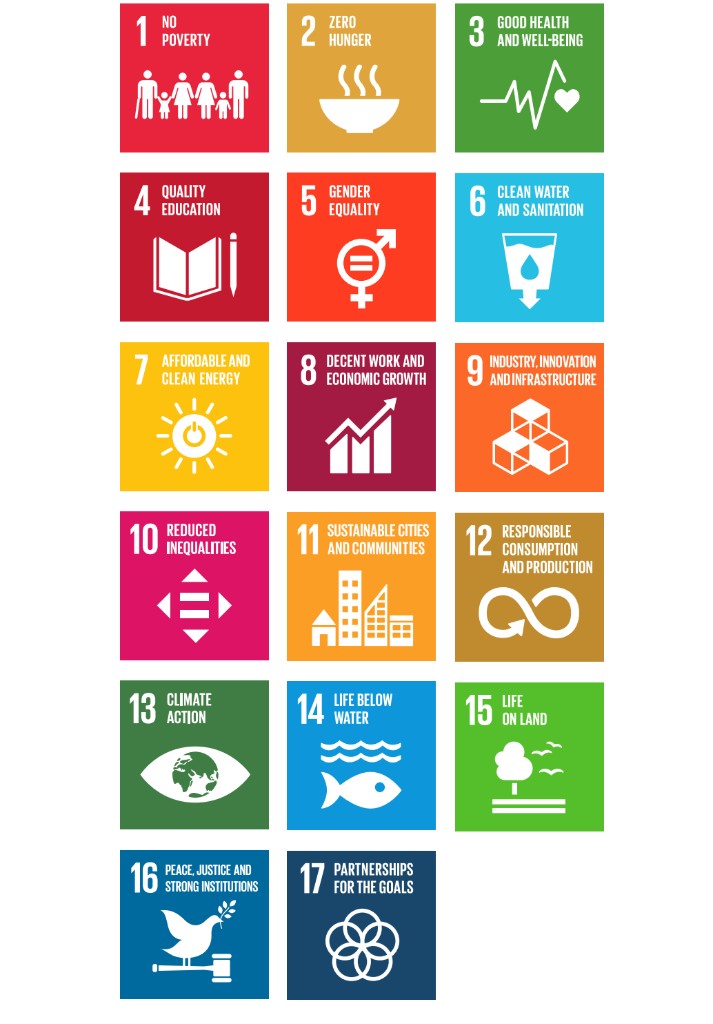
SDG Alignment
Sanatan Kutumb vision, inspired by ancient Indian civilizational values, also aligns with the Sustainable Development Goals. Our programmes map across the full SDG framework—not only education or environment in isolation.
The only way to predict the future is to create it.
सर्वे भवन्तु सुखिनः सर्वे सन्तु निरामयाः।
वसुधैव कुटुम्बकम्।
NITI Aayog defines poverty through both a conventional consumption-based poverty line (minimum expenditure for basic needs) and the National Multidimensional Poverty Index (MPI), which measures deprivation across twelve indicators. Sanatan Kutumb aligns field work with this dual lens: immediate relief and longer-term capability building.
This is how we move from intent to verified outcomes across SDGs.
Illustrative mapping—actual activities expand as programmes scale from 2026 onward.
Hierarchical view of how Sanatan Kutumb sits between institutions and the community—like a knowledge map: one hub, clear branches, concrete touchpoints.
Arrows are conceptual: real delivery is coordinated case-by-case, with the same public reporting standards across partners.
Undernutrition in pregnancy is common where household budgets are tight. Low iron intake can contribute to anaemia, with risks that include greater fatigue, low birth weight, and preterm delivery when severe deficiency is left unaddressed. Sanatan Kutumb does not replace qualified medical care; we work alongside it—through camps and home visits we help women understand balanced meals on modest budgets, encourage timely antenatal blood tests, and where appropriate help with access to doctor-prescribed iron and folic acid so treatment is not skipped for lack of cash. We stress following the treating clinician on dose and duration, including any postpartum continuation they advise.
If dizziness, weakness, or breathlessness persist, beneficiaries are urged to seek immediate care from a qualified provider.
Alongside maternal nutrition counselling, we emphasise reproductive and child health (RCH) messaging, antenatal and postnatal linkage, and practical nutrition enhancement for mothers and young children in households with limited means. All clinical decisions stay with qualified providers; our role is awareness, accompaniment, and removing practical barriers.
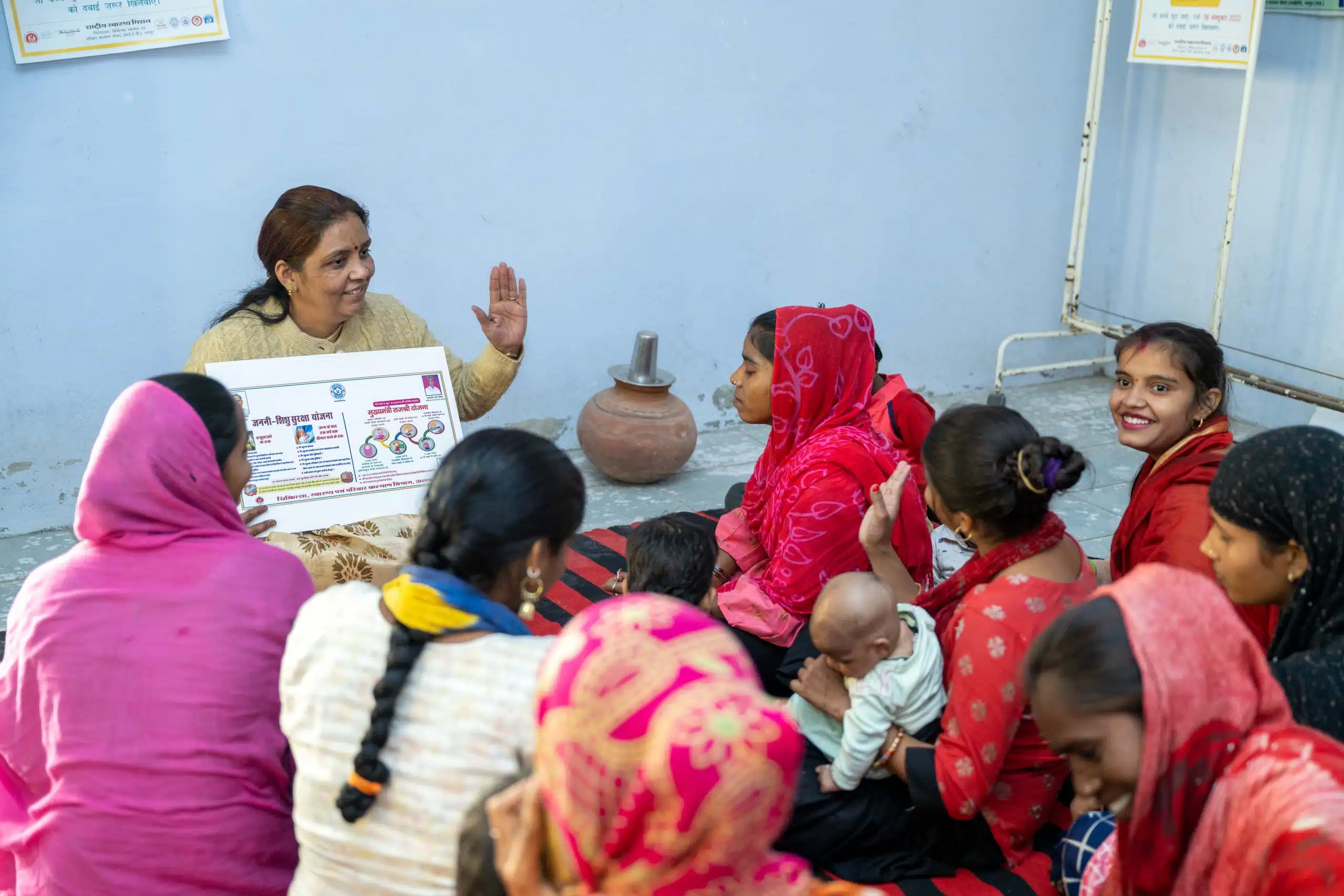
RCH awareness, safe referral pathways, and convergence with public health systems.
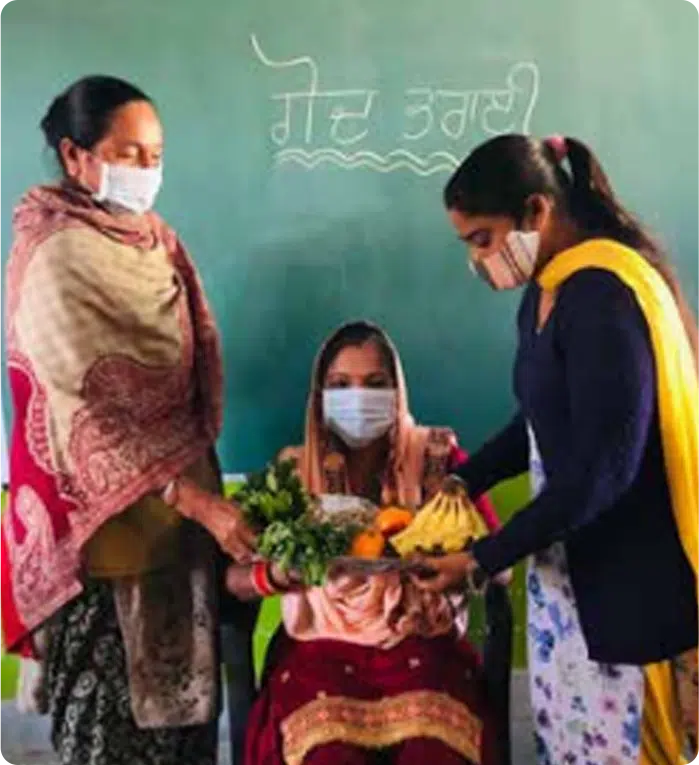
Micronutrient education, affordable meal planning, and growth monitoring orientation.
Women farmers and homemakers are supported to become entrepreneurs through SHGs, FPO linkages, skills, and market access—consistent with SDGs 5 and 8.
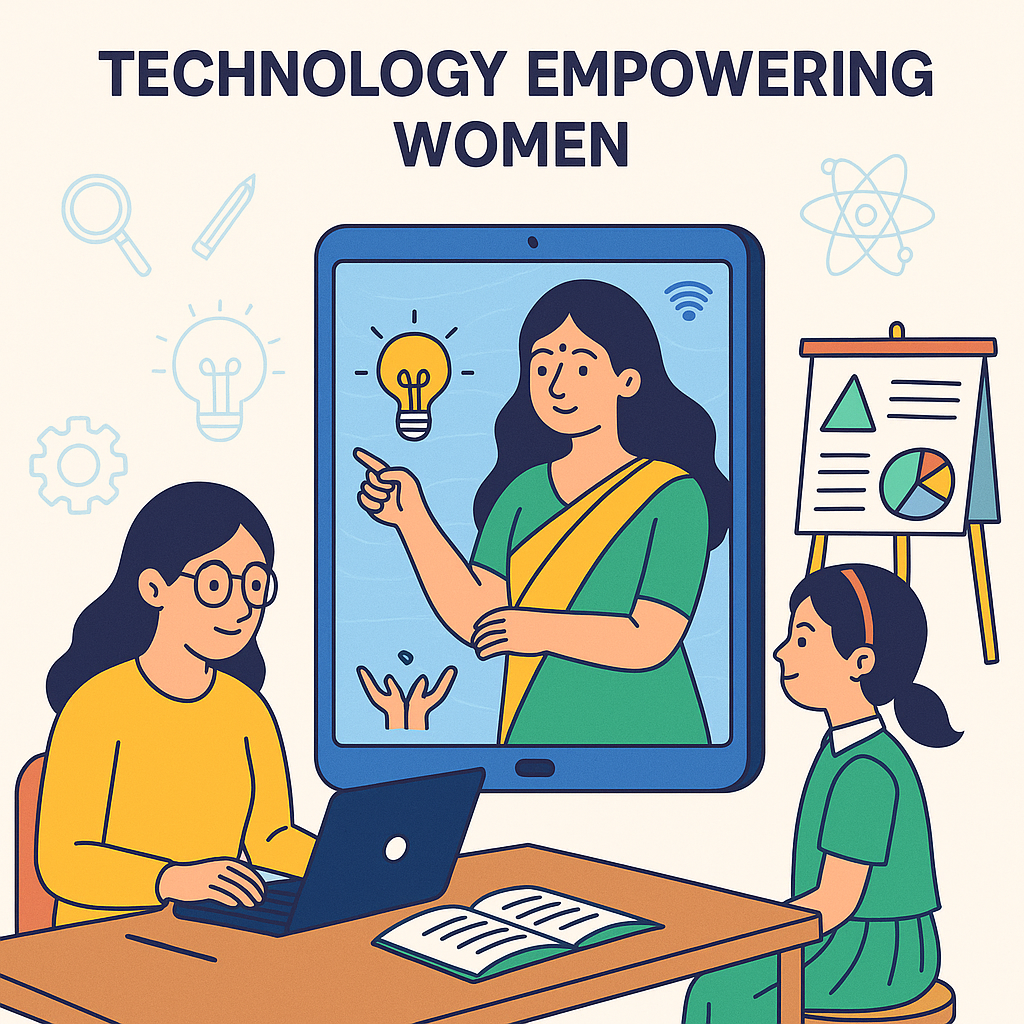
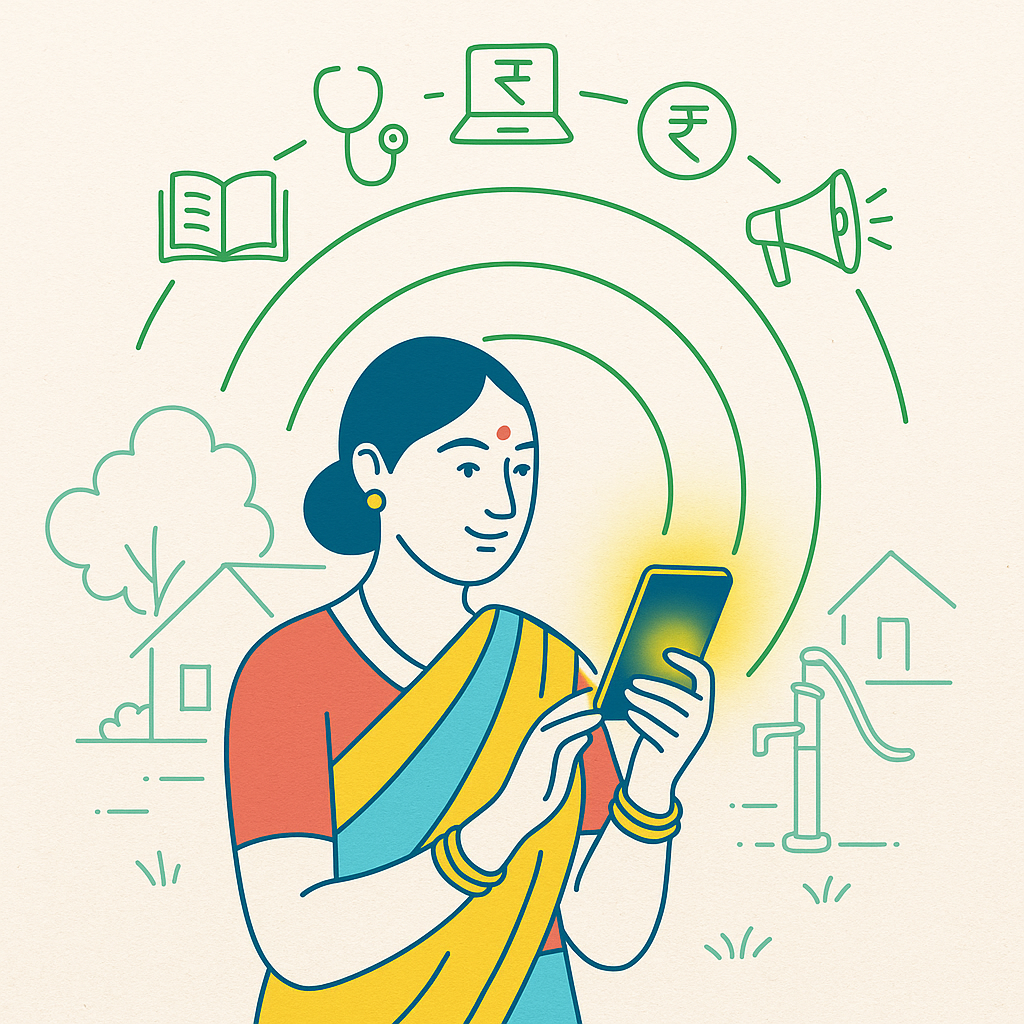
Empowerment begins with access—to information, services, and opportunity. Digital literacy and safe use of mobile and internet tools help women and girls access education, government schemes, and livelihood platforms (SDGs 4, 5, 8, 9).